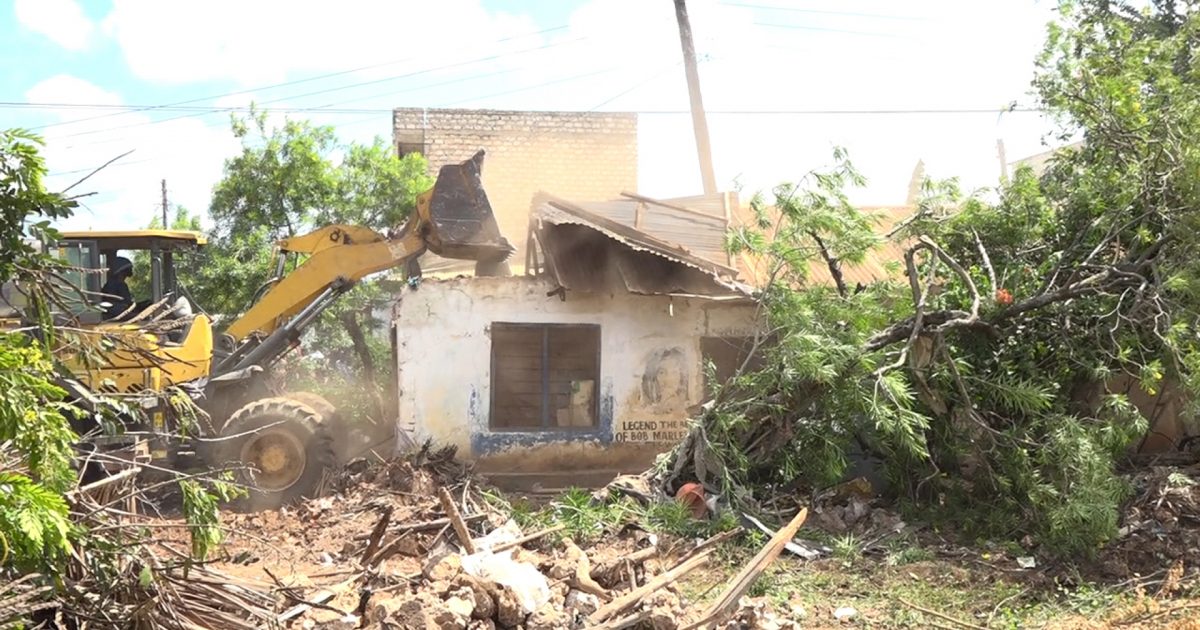
According to Kenya Institute of Public Policy and analysis (KIPPRA), between 2009 and 2019, a total of 86 buildings valued at Ksh 2.4 billion collapsed in Kenya. This includes primarily residential buildings, with a significant number of casualties.
These occurrences put to question the construction sector’s ability to deliver adequate and safe housing to the insatiable house market.
An audit carried out in 2018 by the National Building Inspectorate (NBI) covering 14, 925 buildings revealed that 723 are very dangerous, 10,791 are unsafe, 1217 are fair and 2194 are safe. These unsafe and dangerous buildings eventually collapse.
How safe are you if it is a paltry 2,194 buildings out of 14,925 buildings that are safe? The probability of landing a dangerous or unsafe building is very high.
According to a research document by the National Construction Authority (NCA), the earliest documented case of building collapse in Kenya was in 1990 when the collapse of a multistorey building in Dagoretti killed one person and injured others. Thereafter a total of 87 buildings have so far collapsed, with a total of 21 being recorded in 2015, alone.
Whereas the collapse of buildings is a global phenomenon, the frequency of collapse is higher in Kenya compared to developed economies, to be particular. What puts the developed countries apart from Kenya is that they have robust construction best practices that are religiously adhered to. For instance, in Poland, large buildings undergo technical survey twice every year (before and after winter) to make sure that they are safe and structurally sound. Failure to conduct the survey is heftily punishable.
While we remain optimistic that developers are poised to deliver standards akin to what is in cities like Oslo, New York, London and Singapore, we need to exercise utmost caution when buying or even leasing buildings.
You cannot determine that a building is well constructed by looking at it. The magnificence and opulence of the finishes is very deceptive.
To cushion yourself against possible loss through collapsing or unsafe houses, always engage a property inspection professional to rigorously inspect the house or building and give you a detailed report before you make a decision to commit your hard earned money.